Industrial · · Updated · 3 min read
How to Choose the Right Diesel Generator (DG Set) Size for Your Business
Add up the running load in kW, allow for motor starting current, convert to kVA at 0.8 power factor and keep 20–25% headroom — then check CPCB IV+ compliance before you buy.
By JSK Infosolutions Editorial Team · Ahmedabad, Gujarat
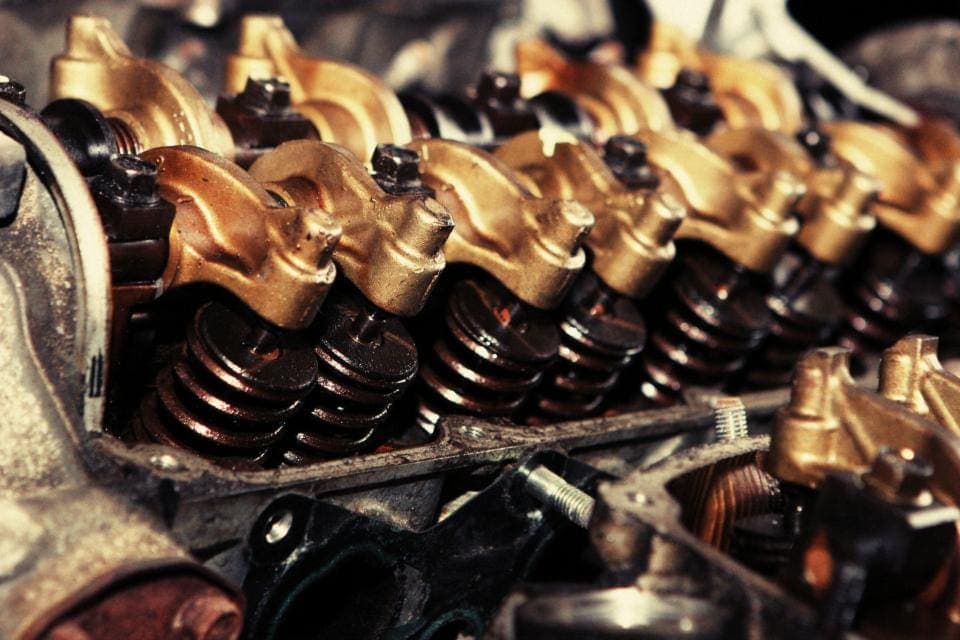
Buying a generator that is too small means trips and voltage dips the first time a lift or compressor starts. Buying one that is far too big wastes capital and fuel, and a diesel engine that runs lightly loaded for long periods wears faster. The right size comes from a simple, honest load calculation.
What size generator do I need?
Start with the equipment that must keep running during a power cut, not everything in the building. For each item note the running power in kW from its nameplate or manual. Add them up to get your running load, then add the extra demand of the largest motor starting while everything else is on.
- List critical loads: lighting, computers and servers, lifts, pumps, air conditioning, production machines.
- Note the running kW of each and whether it has a motor.
- Mark which loads can be switched on in stages after the generator starts.
- Add the starting demand of the biggest motor to the running total.
Why do motors change the calculation?
A motor started direct-on-line can draw several times its running current for a few seconds. A generator must supply that surge without the voltage collapsing, so one large pump or compressor can decide the size of the whole set. Soft starters, star-delta starters and variable-frequency drives cut the surge sharply and often allow a smaller generator — it is worth checking what your motors use before you size.
How do I convert kW to kVA?
Generators in India are rated in kVA (apparent power), while most equipment is rated in kW (real power). The industry convention is a power factor of 0.8, so a 100 kVA set delivers about 80 kW. Divide your kW figure by 0.8 to get the kVA you need, then add a margin of around 20–25% for future loads and to keep the engine in its comfortable operating range.
Single phase or three phase?
Homes and small shops usually need a single-phase set. Offices with air conditioning, factories, hospitals and any site with three-phase motors need a three-phase generator, and the load should be balanced across the phases. An unbalanced load overheats one winding even when the total looks well within the rating.
What do CPCB IV+ norms mean for buyers?
Diesel generator sets up to 800 kW sold in India must comply with the CPCB IV+ emission norms notified by the Ministry of Environment, Forest and Climate Change. Compliant sets use cleaner engines and come with an acoustic enclosure. Before you buy, ask the supplier for the type-approval certificate for the exact model and rating, and keep it with your site records.
Installation and running checklist
- A ventilated, level location with clearance for maintenance and exhaust that does not blow into buildings.
- An automatic transfer switch (ATS) or AMF panel so the set starts and takes the load on its own.
- Correct cable sizes and earthing done by a licensed electrician.
- A service plan: oil, filters, coolant and battery checks at the intervals the manufacturer specifies.
- Regular test runs on load, not just idling.
When should you add a UPS or stabilizer?
A generator takes a few seconds to start and pick up the load. Servers, PLCs and medical equipment cannot tolerate that gap, so they need an online UPS that bridges the switchover. Sensitive machines on a weak grid may also benefit from a voltage stabilizer.
JSK Infosolutions supplies diesel generators from compact silent models to industrial sets, with sizing, installation, spare parts and monitoring support. Share your load list with our Power Products team and we will recommend a set that fits your site.
Frequently asked questions
How do I calculate the generator size for my office?
Add the running kW of the equipment that must stay on, add the starting demand of the largest motor, divide by 0.8 to get kVA and add about 20–25% headroom. A site survey confirms the figure.
Is it bad to run a generator on a very light load?
Yes. Diesel engines that run lightly loaded for long periods can suffer from incomplete combustion and carbon build-up. Choosing a set close to your real load and running regular on-load tests avoids this.
What is the difference between kVA and kW?
kVA is apparent power and kW is the real power that does the work. Generators are rated in kVA; at the standard 0.8 power factor, a generator delivers kW equal to 80% of its kVA rating.
Do new generators in India have to meet CPCB IV+ norms?
Diesel generator sets up to 800 kW sold in India must meet the CPCB IV+ emission norms. Ask the supplier for the type-approval certificate for the model you buy.
Sources
- Central Pollution Control Board — CPCB, Government of India
- Bureau of Indian Standards — BIS
- Bureau of Energy Efficiency — BEE, Ministry of Power
Related services from JSK Infosolutions
Want more from JSK Infosolutions in Google results? ★ Add us as a preferred source on Google